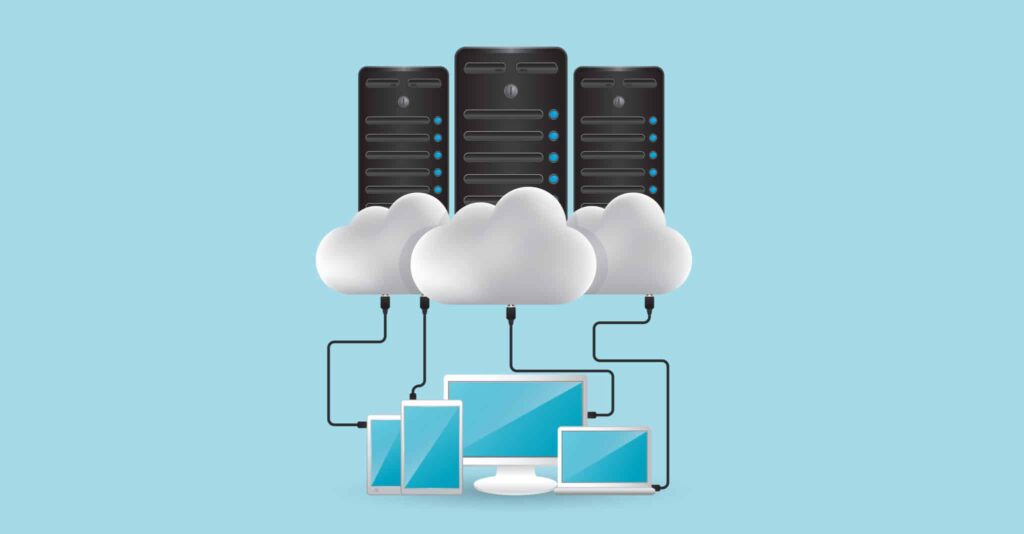
Backup as a Service (BaaS) in Cloud Computing: A Comprehensive Guide
In today’s data-driven world, ensuring data integrity and availability is paramount. Cloud computing has revolutionized how businesses operate, and with that comes the need for robust data protection strategies. One such strategy is Backup as a Service (BaaS), a cloud-based solution that offers a streamlined and efficient approach to data backup and recovery. This article delves into the intricacies of BaaS, exploring its benefits, implementation, and considerations for modern businesses. The growing reliance on cloud services necessitates a reliable backup as a service offering. Understanding backup as a service is crucial for organizations looking to safeguard their valuable data.
What is Backup as a Service (BaaS)?
Backup as a Service (BaaS) is a cloud computing model where a service provider offers backup and recovery services to businesses. Instead of managing their own backup infrastructure, organizations can outsource this function to a third-party provider. This provider handles the entire backup process, including data storage, management, and recovery. This model offers a significant advantage, freeing up internal IT resources and reducing the complexity associated with traditional backup methods.
Essentially, BaaS is a method of backing up data by purchasing backup and recovery services from a cloud service provider. It’s a strategic move for companies aiming to protect their data without the capital expenditure and operational overhead of building and maintaining their own backup infrastructure. With backup as a service, data is typically transmitted over a network to the provider’s offsite data centers, ensuring its safety even in the event of a local disaster.
Benefits of Using Backup as a Service
Adopting Backup as a Service offers numerous benefits, making it an attractive option for businesses of all sizes:
- Cost-Effectiveness: BaaS eliminates the need for upfront investments in hardware, software, and personnel. Organizations pay only for the storage and services they use, making it a cost-effective solution.
- Scalability: BaaS solutions can easily scale up or down to accommodate changing data volumes. This flexibility ensures that businesses can adapt to their evolving needs without incurring significant costs or disruptions.
- Simplified Management: Outsourcing backup management to a BaaS provider frees up internal IT resources, allowing them to focus on other strategic initiatives. The provider handles all aspects of the backup process, including scheduling, monitoring, and recovery.
- Improved Data Protection: BaaS providers typically employ advanced security measures to protect data from unauthorized access and loss. These measures include encryption, access controls, and redundant storage.
- Faster Recovery Times: BaaS solutions enable faster recovery times in the event of a disaster or data loss. Data can be quickly restored from offsite backups, minimizing downtime and business disruption.
- Offsite Backup: Backup as a service inherently provides offsite data storage, protecting against local disasters like fires, floods, or theft.
- Automated Backups: Many BaaS solutions offer automated backup schedules, ensuring that data is consistently backed up without manual intervention. This reduces the risk of data loss due to human error.
How Backup as a Service Works
The implementation of Backup as a Service typically involves the following steps:
- Selecting a BaaS Provider: Organizations need to carefully evaluate different BaaS providers and choose one that meets their specific requirements. Factors to consider include storage capacity, security measures, recovery time objectives (RTOs), and pricing.
- Installing Backup Software: The BaaS provider typically provides backup software that needs to be installed on the organization’s servers or endpoints. This software is responsible for capturing and transmitting data to the provider’s data centers.
- Configuring Backup Schedules: Organizations need to configure backup schedules that determine how frequently data is backed up. The frequency of backups should be based on the criticality of the data and the organization’s RTOs.
- Data Transmission: The backup software transmits data to the BaaS provider’s data centers over a secure network connection. The data is typically encrypted during transmission to protect it from unauthorized access.
- Data Storage: The BaaS provider stores the data in its data centers, which are typically located in geographically diverse locations. This ensures that data is protected from regional disasters.
- Data Recovery: In the event of a disaster or data loss, organizations can request that the BaaS provider restore their data. The provider will then transmit the data back to the organization’s servers or endpoints.
Key Considerations When Choosing a BaaS Provider
Selecting the right Backup as a Service provider is crucial for ensuring data protection and business continuity. Here are some key considerations:
- Security: Evaluate the provider’s security measures, including encryption, access controls, and compliance certifications. Ensure that the provider meets industry standards for data security.
- Reliability: Assess the provider’s track record for uptime and data recovery. Look for providers with redundant infrastructure and robust disaster recovery plans.
- Scalability: Choose a provider that can easily scale its services to accommodate your changing data volumes. Ensure that the provider offers flexible storage options and pricing plans.
- Recovery Time Objectives (RTOs): Determine your RTOs and choose a provider that can meet them. The RTO is the maximum amount of time that your business can tolerate being without access to its data.
- Service Level Agreements (SLAs): Review the provider’s SLAs carefully to understand their commitments regarding uptime, data recovery, and support. Ensure that the SLAs provide adequate protection for your business.
- Support: Evaluate the provider’s support services. Ensure that they offer timely and responsive support in the event of a problem.
- Compliance: Ensure the provider complies with relevant regulations and standards, such as HIPAA, GDPR, and PCI DSS.
BaaS vs. Traditional Backup Methods
Backup as a Service offers several advantages over traditional backup methods, such as tape backups and on-premise disk-based backups:
- Reduced Complexity: BaaS simplifies backup management by outsourcing it to a third-party provider. This eliminates the need for organizations to manage their own backup infrastructure.
- Lower Costs: BaaS can be more cost-effective than traditional backup methods, as it eliminates the need for upfront investments in hardware, software, and personnel.
- Improved Reliability: BaaS providers typically offer higher levels of reliability than traditional backup methods, as they have redundant infrastructure and robust disaster recovery plans.
- Faster Recovery Times: BaaS solutions enable faster recovery times than traditional backup methods, as data can be quickly restored from offsite backups.
- Offsite Backup: BaaS provides automatic offsite backups, safeguarding against local disasters, a feature often requiring significant manual effort in traditional setups.
The Future of Backup as a Service
The Backup as a Service market is expected to continue to grow in the coming years, driven by the increasing adoption of cloud computing and the growing need for data protection. As businesses become more reliant on data, they will increasingly turn to BaaS solutions to ensure its safety and availability. Innovations in areas like AI-powered backup and recovery and enhanced security features will further enhance the appeal of backup as a service.
Emerging trends in BaaS include:
- Integration with other cloud services: BaaS solutions are increasingly being integrated with other cloud services, such as disaster recovery as a service (DRaaS) and infrastructure as a service (IaaS).
- AI-powered backup and recovery: AI is being used to automate and optimize the backup and recovery process, improving efficiency and reducing costs.
- Enhanced security features: BaaS providers are continuously enhancing their security features to protect data from evolving threats.
Conclusion
Backup as a Service (BaaS) is a valuable tool for businesses seeking to protect their data in the cloud era. Its cost-effectiveness, scalability, and simplified management make it an attractive alternative to traditional backup methods. By carefully selecting a BaaS provider and implementing a robust backup strategy, organizations can ensure the safety and availability of their valuable data. The adoption of backup as a service represents a proactive step towards ensuring business continuity and data resilience. Properly leveraging backup as a service can significantly reduce the risks associated with data loss or corruption.
[See also: Cloud Storage Solutions] [See also: Disaster Recovery Planning]
